
Credit Card Use at UK Casino Sites: The Rules
 Available in GB
UK-licensed casinos cannot take credit cards for gambling, but debit cards and other payment options may still be available.

Table of Contents
- Can You Use a Credit Card to Gamble Online in the UK?
- Why UK Casinos Do Not Accept Credit Cards
- What to Expect from Casino Deposit and Withdrawal Methods
- Payment Methods You Can Use Instead of a Credit Card
- How to Compare Casino Payments Without a Credit Card
- Credit Card Deposits at UK Casino Sites: What the Rules Mean
- Credit Card Gambling and the UK Ban: What You Need to Know
- Non-GamStop Casinos and Credit Card Payments
- Credit Card Casinos in the UK: What the Phrase Really Means
- Can You Play Online Slots with a Credit Card in the UK?
Can You Use a Credit Card to Gamble Online in the UK?
No. A UK-licensed online casino cannot accept a credit card for a gambling deposit. The restriction applies across licensed casinos; it is not a decision that an individual operator can change. The regulator introduced the ban on 14 April 2020, and it remains in force.
That means you cannot use a credit card to fund casino play at a UK-licensed site, whether you plan to play table games or use other casino products. If a payment page displays a card logo, that does not by itself mean every card carrying that logo is eligible. A credit card and a debit card are different products, even when they are issued by the same provider and bear the same brand.
Debit cards are commonly accepted at UK casinos, including Visa and Mastercard debit cards. The distinction is the source of the funds: a debit-card payment draws on money in your bank account, while a credit-card payment uses borrowed funds. So a casino may support a card brand for debit payments without accepting credit-card payments for gambling.
When considering a casino site that accepts credit cards in the UK, check the payment information as well as the games and promotions. The listed payout times offer one detail to keep in mind while you assess your options.
Payout speed: 1-3 business days SpinFormula lists a payout speed of 1–3 business days. You can use this as a reference when reviewing its payment details.
Payout speed: 1-3 business days NightLuck lists a payout speed of 1–3 business days. You can factor this stated timeframe into your review of its payment information.
Payout speed: 1-3 business days Revery Play lists a payout speed of 1–3 business days. You can consider this detail when checking its payment terms.
Payout speed: 1-3 business days BeOnBet lists a payout speed of 1–3 business days. You can keep this stated timeframe in mind when reviewing its payment details.
Payout speed: 1-3 business days EvoSpin lists a payout speed of 1–3 business days. You can use this information as one point of reference when assessing its payment terms.
Payout speed: 1-3 business days Britsino lists a payout speed of 1–3 business days. You can consider this stated timeframe while checking its payment information.
Payout speed: 1-3 business days Dieselwin lists a payout speed of 1–3 business days. You can take this detail into account when reviewing its payment terms.
Payout speed: 1-3 business days NightWin lists a payout speed of 1–3 business days. You can use the stated timeframe as a reference when assessing its payment details.
Payout speed: 1-3 business days x3bet lists a payout speed of 1–3 business days. You can keep this information in mind when reviewing its payment terms.
Payout speed: 1-3 business days Zombillion lists a payout speed of 1–3 business days. You can consider this detail when checking its payment information.
If you are unsure which type of card you have, check the card or your banking app rather than relying on the logo. When you select a payment method, read the cashier’s wording carefully and make sure the card is identified as a debit card. If the payment is declined, do not assume that trying the same card repeatedly will resolve the issue; check with your bank or the casino’s payment information to confirm whether the product is supported.
This also answers questions about depositing with a credit card at an online casino in the UK: a UK-licensed operator must not take that payment for gambling. The rule applies even if a credit card works for ordinary online shopping or other kinds of transactions. Approval by your card issuer does not make a gambling deposit permitted for the casino.
The same distinction applies if you are thinking about playing slots. A credit card is not an eligible way to fund gambling at a UK-licensed casino, while a supported debit card may be accepted. The game you intend to play does not change the payment restriction.
Before depositing, confirm that you are using a debit card and that the casino’s cashier lists it as an available method. Do not treat a general reference to Visa or Mastercard as proof that your particular card product is accepted. If the information is unclear, contact the operator before attempting a payment. That simple check can help you avoid confusing a card-brand listing with permission to use a credit card for gambling.

In short, you cannot use a credit card to gamble online at a UK-licensed casino. Debit cards are a separate payment type and are commonly accepted, but availability still depends on the casino and the card product.
Why UK Casinos Do Not Accept Credit Cards
Credit-card payments for gambling are prohibited at UK-licensed casinos. This is a regulatory requirement, not a payment preference that each casino can change. A remote gambling licensee serving customers in Great Britain must follow the rule, so an operator cannot make credit-card deposits available simply because its payment system can process that card.
The restriction took effect on 14 April 2020. It has not since been relaxed. If you see a casino describing itself as available to UK players, that does not mean it may accept credit-card payments for gambling. The relevant point is whether the operator is permitted to serve the market and what payment rules apply to it—not whether a particular cashier lists a card brand.
The ban sets a boundary around borrowing to fund gambling. Credit is money that must be repaid, and using it for gambling can leave you with both gambling losses and a debt. The rule prevents licensed operators from accepting that form of funding for play. It is a market-wide restriction intended to reduce the risk of gambling with borrowed money, rather than an optional safeguard an individual casino may choose to apply or ignore.
Credit Card Ban
UK-licensed online casinos are prohibited from accepting credit cards for gambling deposits to prevent the risk of gambling with borrowed money.
That distinction matters when you encounter a card logo in a payment list. A brand may be associated with both credit and debit products, but the logo alone does not establish that a credit card is eligible for gambling payments. The restriction concerns the source of funds and the payment route, not merely the name printed on a card. A casino’s terms or cashier can explain which permitted payment methods it currently supports, but they cannot create an exception to the prohibition.
The rule also means that an operator cannot treat credit-card acceptance as a special feature for certain customers. If a site appears to offer credit-funded gambling, do not assume that the option is lawful simply because it is visible or advertised. Check the operator’s status through the UK Gambling Commission’s public register and review the payment information carefully before depositing.
In short, the answer to whether credit cards are allowed for gambling at UK online casinos is no when the casino is licensed to serve the UK market. The date of the ban is useful context, but the practical point is that the restriction remains in force. It is not a temporary policy or a decision made separately by each operator.
What to Expect from Casino Deposit and Withdrawal Methods
Depositing and withdrawing are separate stages, so a payment that reaches your casino balance quickly does not mean a payout will arrive at the same speed. A specialist payment review describes card deposits as potentially instant, while withdrawals can take several business days. Treat that as an illustration of how the two stages may differ, not a guaranteed timetable: the cashier’s current terms and the status of your account matter.

From payment to casino balance
For a deposit, you select a method in the cashier, enter the required details and confirm the transaction. If it is approved, the funds may appear in your balance promptly. A delay can occur if the payment provider or your bank needs to authorise it, or if the details do not match the account information held by the casino.
Before confirming, check that the amount and payment method are correct. Keep a record of the transaction confirmation in case you need to ask the casino or provider to trace it. If a payment appears to have left your bank account but is not shown in your casino balance, avoid submitting it repeatedly; first check its status with the relevant provider and the casino.
Why a payout takes longer
A withdrawal involves more than sending money out. The casino must process the request, which can include an internal approval step. The time shown for a payout therefore may not start when you click the withdrawal button, and the payment provider may have its own processing time after the casino releases the funds.
KYC can also affect the wait. A specialist account-verification review notes that a first withdrawal may take longer when the operator still needs to complete checks. If documents or account details are requested, respond through the casino’s stated secure process and make sure the information is clear and consistent. An incomplete check can leave a request waiting for review.
Once released, a payout may still take time to reach your bank or payment account. The casino’s estimate should be read as a processing guide, not a promise that the funds will be available by a particular moment. If the stated processing period has passed, check the withdrawal status and contact the casino with the transaction reference.
- Respond to KYC requests through the casino’s secure process
- Check withdrawal status with the operator if processing time passes
- Ensure account and payment details are clear and consistent
- Submit a deposit repeatedly if it doesn’t appear in your balance
- Assume a payout will arrive at the same speed as a deposit
- Request withdrawals to an account in a different person’s name
Where the money is sent
UK anti-money laundering rules generally require casino payouts to go back to the original payment source. This is part of the closed-loop approach to moving funds, rather than a guarantee that every withdrawal will follow an identical route. If you have deposited through more than one method, the casino may explain how it allocates a payout between those sources or whether it needs further checks.
Using an account and payment route in your own name helps keep ownership details consistent and can reduce avoidable questions about a transaction. A request to withdraw to a different person’s account may not be accepted. If the original method cannot receive a payout, ask the casino what alternative process applies before placing a withdrawal request; an alternative route can involve additional verification.
Keep the deposit confirmation, withdrawal reference and any messages about KYC until the transaction is complete. That gives you a clear record of each stage if the balance, casino status and payment account do not appear to match. The key distinction is simple: a deposit can be credited quickly, but a payout has to pass through casino approval and the receiving payment route before it reaches you.
Payment Methods You Can Use Instead of a Credit Card
A credit card is not the only way to fund a casino account. The available alternatives depend on the operator, your account and the payment services supported in its cashier. Check the current options there before choosing a method; a payment logo on a general information page does not confirm that it is available for your account or suitable for withdrawals.
Debit cards
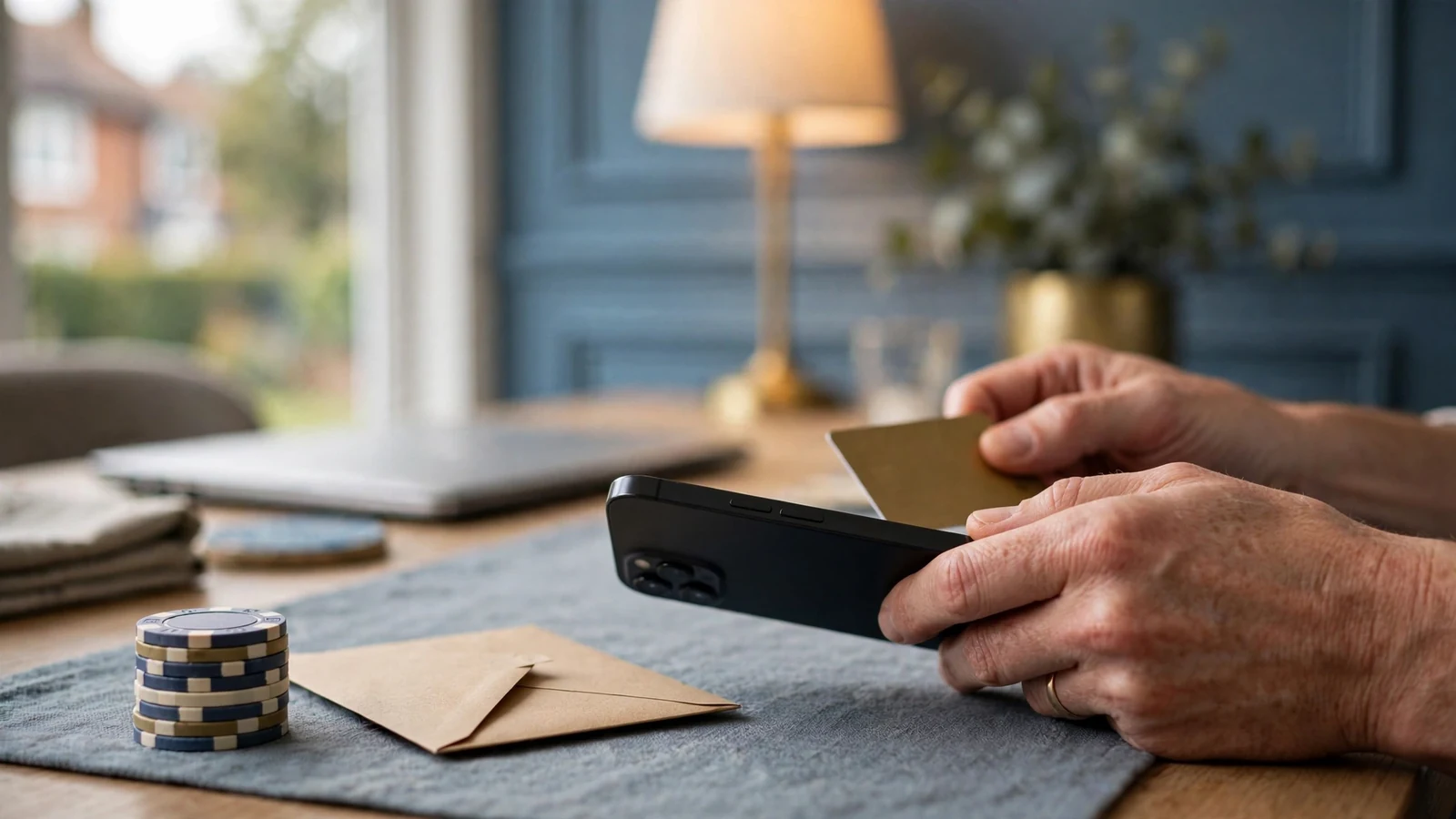
Debit cards are a familiar option at UK casinos, with Visa and Mastercard commonly accepted. A debit-card payment comes from money in your bank account rather than borrowed credit. Before confirming a deposit, check that the card is listed in the cashier and that its product type is eligible. Do not assume that every card carrying a familiar brand will be accepted.
Bank transfers and open banking
Bank transfer and open banking services connect a payment to your bank account. Some specialist casino-payment reviews report that these routes can allow instant deposits and fast withdrawals at many sites, but timing and availability depend on the operator and the service it uses. Check whether the method supports both directions: a deposit option may not necessarily be available for payouts.
Prepaid vouchers
Paysafecard is a prepaid voucher for deposits only. It can suit you if you want to use a set amount without entering card details in the casino cashier, but it is not a withdrawal method. If you deposit this way, check how the operator handles any balance or winnings when you request a payout, as another eligible method may be needed.
E-wallets
Skrill and Neteller are offered by some sites. Specialist casino-payment reviews report that these wallets are often excluded from promotions, so read the relevant offer terms before depositing if a bonus matters to you. Wallet availability can also vary, and a wallet must not be used to route credit-card funds into gambling where that funding route is prohibited. Check the wallet’s funding rules as well as the casino’s.
Commonly accepted Visa and Mastercard products that draw funds directly from your bank account.
Connections to your bank account that may allow for instant deposits and fast withdrawals.
Deposit-only options like Paysafecard that allow funding without entering card details.
Services like Skrill and Neteller, though they may be excluded from certain promotional offers.
Whichever option you consider, use an account and payment route in your own name, and confirm the cashier’s current deposit, withdrawal and promotion conditions. This can help you avoid choosing a method that accepts a deposit but does not fit your payout needs.
How to Compare Casino Payments Without a Credit Card
A payment method that appears inexpensive can still cost more once every charge is considered. Before choosing an eligible option, compare the total cost for the amount you intend to move, not just the fee shown beside the method in a casino cashier. The cashier is the place to check what the operator currently accepts and the terms attached to each option.
Check every possible charge
A specialist casino-payment review identifies several places where costs can arise: the casino, the payment provider, your bank or card issuer, currency conversion, and the payment network. A charge may be displayed as a flat fee, deducted from the amount transferred, or reflected in the exchange rate. Read the casino’s payment terms and check your provider’s own fee information rather than assuming that a method is free because the cashier does not show a charge.
If you are paying from an account in a different currency from the casino balance, look beyond any stated conversion fee. The exchange rate may include a spread: the difference between the rate used for the transaction and a reference rate. One specialist casino-payment review notes that this spread can cost more than a visible flat fee. Compare the amount that would actually leave your account with the amount credited to the casino balance.
There is no single payment method that is always the lowest-cost choice. The total depends on the method, the amount, the currencies involved and any charges imposed at different points in the transaction. Where a cashier displays a fee before you confirm, include it in your comparison; where the provider or bank sets the charge, check that separately.
Confirm the account currency
Check the currency selected for your casino account before making a first transaction. A specialist review of casino payment pages reports GBP as a supported currency, but that does not establish the setting for every account or every payment route. Confirm the currency shown in your own account and in the cashier.
If the casino balance and the account or card you use are both in GBP, you can avoid a conversion between those currencies. If they differ, find out which party applies the conversion and what rate it uses. Otherwise, a deposit that looks straightforward in the cashier may result in a different amount being charged or credited.
Read the cashier’s current terms
Payment logos or a method list do not tell you all the conditions that apply to your account. Open the cashier while signed in, select the method you are considering and review the displayed terms before confirming. Check whether the method is available to you, which currency it supports, and whether the casino or provider lists a charge. Availability and conditions can vary, so an older description of a payment option may not match the current cashier.
Compare like with like: use the same intended transaction amount and account currency when assessing alternatives. For each one, note the casino charge, any provider or bank fee, possible conversion cost and any network charge. If a cost is unclear, pause and check the operator’s or provider’s terms rather than treating an undisclosed figure as zero.
The practical choice is the option whose eligibility and total cost you can verify before paying. That approach is more reliable than judging a payment method by its name, a logo, or a single advertised fee.
Credit Card Deposits at UK Casino Sites: What the Rules Mean
If you are looking for a UK casino that will take a credit-card deposit, the important distinction is between a payment brand and the type of card you hold. UK-licensed casinos cannot accept credit-card payments for gambling. Seeing Visa or Mastercard mentioned on a payment page does not mean that a credit card bearing that logo can be used.
The restriction is not an optional policy that each casino can set for itself. The regulator introduced the ban on credit-card gambling on 14 April 2020, and it remains in force. A site serving customers in Great Britain under a UK Gambling Commission licence must follow it, even if a payment option appears in general information about the site or is available for other kinds of transactions.
Why a card logo is not enough
Visa and Mastercard are card networks, not a guarantee that every card carrying their logos will be accepted. A listed brand may refer to debit cards, while the cashier may reject credit cards. The result can also depend on the particular card product and whether the payment method is currently available for customers in the UK.

Some specialist casino reviews list Visa and Mastercard among a site’s payment methods. Treat that as a lead to verify, not confirmation that credit-card deposits are permitted. The cashier is the practical place to check what the operator currently accepts. Read the payment details carefully and distinguish debit from credit before entering card information.
If the cashier displays a card logo but does not clearly identify the eligible card type, do not assume that a credit card will work. Check the operator’s current payment terms or ask its support team to clarify. A failed attempt can create confusion about whether the issue is the card, the account or the payment route; checking first is simpler.
Routing a payment through another service
Sending credit-card funds through a money service business does not make them acceptable for gambling. Remote gambling licensees cannot accept credit-card payments for gambling when the payment is routed through such a business. Using an intermediary therefore does not turn a prohibited credit-card deposit into an eligible one.
The same principle matters when you are considering a payment service that can be funded by different sources. Do not treat the service’s name as proof that a particular funding route is allowed. The relevant question is whether credit-card funds are being used to fund gambling, not simply which brand appears on the transaction screen.
This is worth checking before you move money between accounts or try a different route. A payment that appears to have gone through an intermediary may still fall within the restriction. If you are unsure how a service handles the funds, confirm its terms and the casino’s rules before proceeding.
Routing Payments
Using a money service business or intermediary to route credit-card funds does not make them acceptable for gambling at UK-licensed casinos.
Check the cashier before paying
Payment information can change, and a general list may not show the current UK options or the rules for your exact card. Sign in only when you are ready to review the operator’s cashier, then check the available methods and any stated card eligibility. Do not infer that credit is accepted from a logo, a review listing or an old payment guide.
If a method is unclear, pause and seek confirmation from the operator rather than testing it with a credit card. The practical answer is straightforward: UK-licensed casinos cannot take credit-card deposits for gambling, regardless of whether a card brand is advertised or a payment is routed through a money service business.
Credit Card Gambling and the UK Ban: What You Need to Know
The UK credit-card gambling ban applies to the payment route, not just to a card button on a casino’s cashier page. A remote gambling licensee cannot accept credit-card payments for gambling, whether you try to pay directly or route the money through a service that handles payments.
The restriction has been in force since 14 April 2020 and has not been relaxed. It therefore is not a temporary policy or a choice each UK-licensed casino can make independently. A site serving customers in Great Britain under a UK Gambling Commission licence must apply the restriction to gambling payments.
How the rule applies to wallet payments
A digital wallet does not make a credit-card-funded gambling payment acceptable simply because the casino receives money from the wallet rather than directly from the card issuer. Where the wallet allows credit-card funds to be used for gambling, the operator cannot accept that wallet payment for gambling.
That distinction matters when you add money to a wallet before visiting a casino. The relevant issue is not only which payment method appears in the cashier; it is whether credit-card funds are being used to fund gambling through that method. If you cannot tell how a wallet treats those funds, do not assume that paying from its balance avoids the restriction.
The same principle applies when a money service business sits between the card and the gambling account. Sending a credit-card payment through an intermediary does not turn it into an eligible gambling deposit. A different label or extra step in the transaction does not change the underlying funding route.
Card brands do not settle eligibility
Seeing Visa or Mastercard listed on a casino’s payment page does not, by itself, mean a credit card from that network can be used. Card brands can be used for debit products as well, and a method’s availability can depend on the specific card product and the current cashier options. The card’s network logo is not proof that it is a credit card payment the operator may accept.
When you are checking a payment option, distinguish the card type from the brand. If the source of funds is credit, the ban applies to gambling payments; changing the route through a wallet or payment intermediary does not provide a workaround. A debit-card payment is a different product, but you should still confirm that the operator accepts that particular method for your account.
Attention: A card network logo (like Visa or Mastercard) is not proof of eligibility; it may refer to debit products while credit cards remain prohibited.
This can also explain why a payment may be rejected even when the casino displays a familiar card logo. The listing may refer to an eligible debit card or another permitted use, rather than every card carrying that brand. Follow the cashier’s current instructions and do not try to recast a credit-card payment as a different method.
The practical boundary is straightforward: credit-card funding cannot be used for gambling with a UK-licensed operator, directly or through a wallet that allows those funds to be gambled. If a payment route is unclear, pause before authorising it rather than relying on the name of the service or card brand.
Non-GamStop Casinos and Credit Card Payments
A casino’s relationship with GamStop and its permission to accept payments are separate matters. GamStop is a self-exclusion scheme; whether a site appears on it does not determine which payment methods a casino may lawfully use for gambling in the UK.
If a remote gambling operator serves customers in Great Britain, it must hold the relevant UK Gambling Commission licence, wherever the operator is based. A UK-licensed casino cannot accept credit-card payments for gambling. The restriction was introduced on 14 April 2020 and has not been relaxed. Describing a site as “not on GamStop” does not create an exception.
This distinction matters when a site advertises itself as a non-GamStop casino that accepts credit cards. The wording may suggest that being outside the scheme allows credit-card deposits, but it does not establish that the operator is licensed to serve UK customers or that the advertised payment route complies with UK rules. A payment logo or a claim on a site is not proof of either.
Some casinos operating outside the UK regulatory system may be accessible to UK residents. That does not make them UK-licensed, or turn them into lawful UK gambling services. A site based abroad still needs the appropriate UK licence if it is selling remote gambling to the British market. Do not treat an overseas address, a different self-exclusion policy or a claimed card option as a substitute for that requirement.
The same caution applies to credit-card-funded wallets and other indirect routes. Routing a payment through another service does not make credit-card gambling acceptable under UK rules where the route is prohibited. If a site suggests that an indirect payment method avoids the restriction, do not assume that this makes the transaction permissible.
If you are considering a casino, check its current status on the UK Gambling Commission’s public register rather than relying on a payment page or promotional claim. A UK-licensed operator must follow the credit-card restriction whether or not it participates in GamStop. Conversely, a site’s absence from GamStop is not evidence that it has permission to accept UK customers.
If you have registered with GamStop to stop gambling, looking for a site outside the scheme may undermine the protection you chose. The payment question does not change that: a non-GamStop label is neither a licence nor an exception to UK credit-card rules.
Credit Card Casinos in the UK: What the Phrase Really Means
When people talk about credit card casinos in the UK, they may mean a casino where they can pay by card, without distinguishing between a credit card and a debit card. That distinction matters: a card logo in a cashier does not tell you that every card product carrying it can be used.
Difference between Credit and Debit Cards
A debit card draws money directly from your bank account, whereas a credit card uses borrowed funds that must be repaid. Because of this, UK regulators ban the latter for gambling to protect players from debt.
UK casinos commonly accept debit cards, including Visa and Mastercard. A debit card takes money from your bank account, while a credit card draws on borrowed funds. So a casino that lists card payments may offer a way to deposit by debit card, not an option to fund gambling with credit.
The rule is not a matter of one casino choosing to switch a particular card brand on or off. Credit card gambling was prohibited by the regulator on 14 April 2020, and the restriction has not been relaxed. A site’s general reference to “cards” should therefore not be read as permission to use a credit card for gambling.
If you are checking a casino’s payment information, look for the specific card type accepted and confirm it in the cashier before making a deposit. Visa or Mastercard may appear as a supported method, but that does not make a credit card eligible. Use a debit card in your own name if the casino accepts it, and make sure you understand which account the payment will draw from.
This is also why the phrase “credit card casino” can be misleading. It can refer loosely to a card-accepting casino, even though the available card option is debit rather than credit. The practical question is not simply whether the cashier displays a card logo; it is whether your particular payment method is allowed and supported for gambling.
Check the payment wording before you proceed, rather than relying on a general label or an old description of a site. If the cashier is unclear about whether it accepts debit cards, contact the operator for clarification. A clear distinction between credit and debit helps prevent a declined payment and avoids treating a familiar card brand as proof that credit-funded gambling is permitted.
Can You Play Online Slots with a Credit Card in the UK?
No. A UK-licensed casino cannot accept a credit-card payment for an online slot deposit. The restriction applies to gambling transactions, not just to particular games, so choosing slots rather than another casino game does not make a credit card eligible. The ban took effect on 14 April 2020 and remains in force.
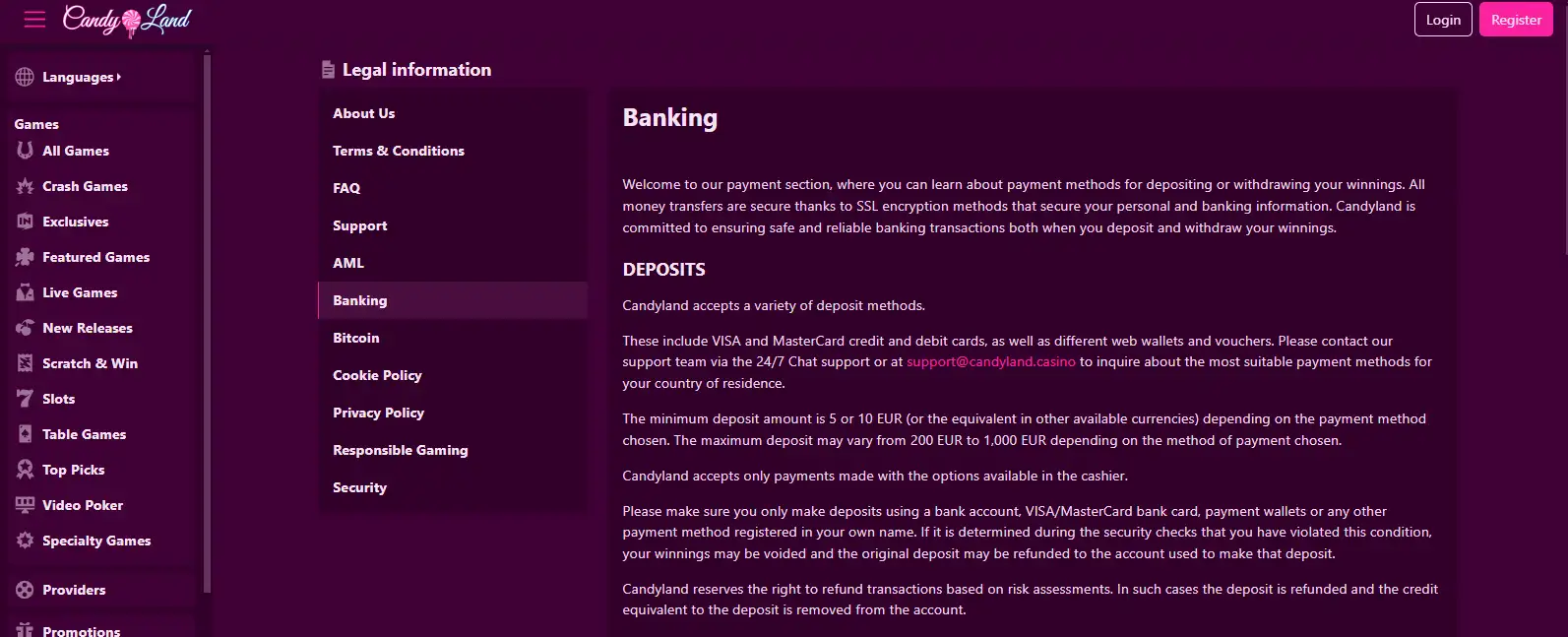
If you are trying to fund a slot account, check the casino’s cashier for a permitted payment method. Debit cards are commonly accepted by UK casinos, including Visa and Mastercard, but a familiar card brand does not by itself confirm that every card product will work. Check that the card is a debit card and that the cashier lists it as available for your account.
The distinction matters because the payment logo can look similar across different card products. Do not assume that a card will be treated as debit simply because it carries a well-known network name. If you are unsure, confirm the card type with your bank and check the casino’s current payment terms before attempting a deposit. An unsuccessful transaction can be frustrating, but trying another route to pass a credit-card payment through a wallet or payment service does not make it acceptable for gambling.
A slot deposit is still a gambling payment, whether you intend to play one game or several. The same restriction applies at UK-licensed casinos, and you should use an eligible alternative rather than trying to route credit-card funds indirectly. Payment options can differ between casinos, so rely on the cashier rather than an old list or a card logo shown elsewhere on the site.
Before depositing, make sure the account and payment method belong to you, and check the terms attached to the method you plan to use. Remote operators must verify your age before allowing deposits, and new customers must be prompted to set a financial limit before their first deposit. These checks do not change which payment methods are permitted; they are separate steps in opening and using a gambling account.
If your card is declined, do not keep retrying it through another payment route. Check whether it is a debit card and whether the casino currently accepts it, then select another eligible method if needed.
Why must withdrawals return to the deposit method?
Returning the money to your original payment source is a common anti-fraud and anti-money-laundering control. Using a different source may mean you need to complete additional verification.
What is the fastest withdrawal method for UK casinos?
PayPal, open banking services and debit cards linked to fast payout systems are generally among the quickest options. Your casino’s approval process and account verification also affect how soon you receive the money.
Which method has the lowest fees?
There is no universally cheapest method. Compare the casino’s charges, payment-provider or bank fees, any currency conversion spread and, for cryptocurrency, network costs for your transaction.
Is Skrill available?
Yes, Skrill is available at some UK-friendly casino sites. Check the casino’s cashier for current availability, and note that Skrill may be excluded from promotions.
Do UK casino withdrawals require verification?
Yes, casinos may need to verify your account before approving a withdrawal, and this can take longer on a first payout. Having your account fully verified can help avoid that delay.
Why can a fast payout casino still delay my withdrawal?
A casino must process and approve the withdrawal before the payment provider sends it, and that internal review can take time. Verification, particularly for a first withdrawal, can also cause a delay.
Are fast casino withdrawals guaranteed?
No. Withdrawal speed depends on the casino’s approval process and whether your account is fully verified; weekends, bank cut-off times and currency conversion can also affect delivery.
Published by the Candyland Casino 2 team.